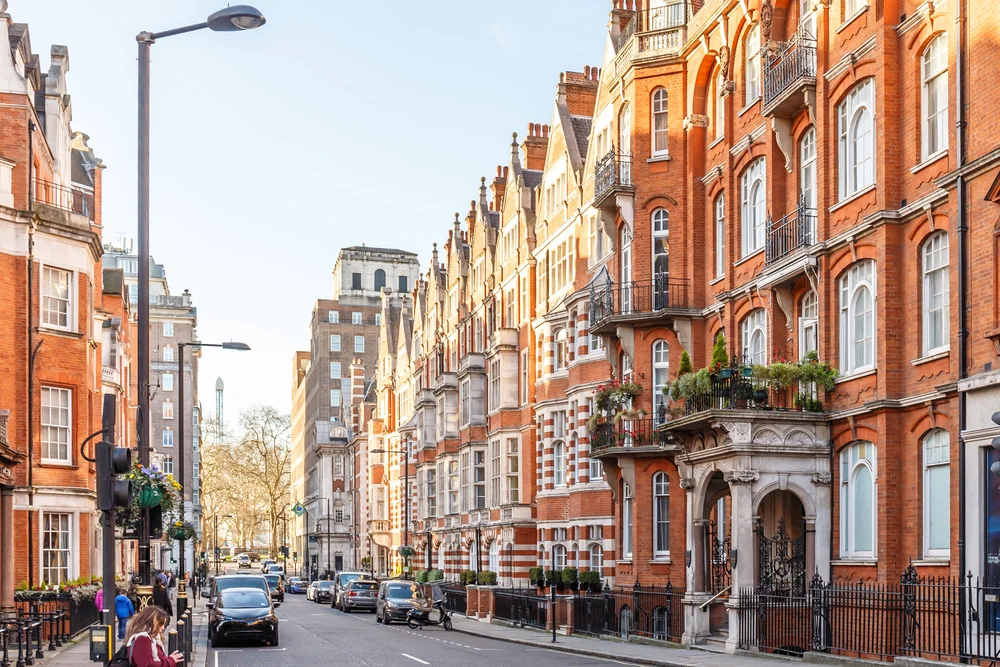
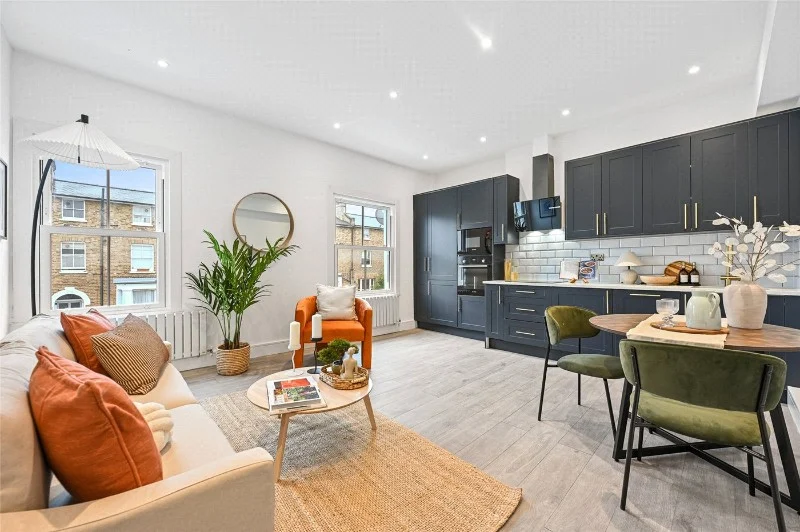
How to Find a Flat in London Before Anyone Else Sees It (2026 Guide)
London's best flats get snapped up within hours of listing. Here's how serious renters actually get ahead of the queue in 2026.

If you've spent any time flat hunting in London, you already know the pattern: you find a great two-bed in Zone 2, message the agent within the hour, and get a reply saying it's already under offer. This isn't bad luck — it's how the market works. Good flats in London don't stay on the market long enough for casual browsing to work.
This guide covers what actually makes a difference when you're trying to be first in line, not just another name in an agent's inbox.
Why London moves faster than other rental markets
London has one of the most liquid rental markets in Europe: a huge, constantly turning pool of tenants, a shortage of well-located stock, and agents who list a property the moment it's cleared for marketing — often before professional photos are even finished. In popular areas (Zone 1–3, near good transport links), a well-priced, well-photographed flat can receive its first viewing requests within minutes of going live.
That means the traditional approach — checking Rightmove once a day over coffee — puts you at a structural disadvantage. By the time you see the listing, dozens of other renters already have.
The three things that actually matter
1. Speed of notification, not frequency of checking. Refreshing a website every 20 minutes doesn't scale, and most people give up after a few days. What matters is being notified the moment something matching your criteria goes live — ideally within a minute of publication, not the next time you happen to open the app.
2. Being ready to act immediately. Speed only helps if you can move. Have your documents ready in advance: proof of income (payslips or an employment letter), ID, and if you're using a guarantor, their details too. Many good tenants lose flats not because they were slow to see the listing, but slow to reply once they did.
3. Searching everywhere at once. Agents don't only use Rightmove. A single flat might appear on Rightmove, Zoopla, and OpenRent — sometimes with different photos, prices, or contact details, and sometimes only on one of the three. If you're only watching one site, you're missing a meaningful slice of the market.
Why manual searching struggles at London speed
Setting up alerts directly on Rightmove or Zoopla is a reasonable start, but it has limits: - You need to build and maintain separate alerts on each site. - Alerts frequently arrive as batched emails (once every few hours), not instantly. - You'll get duplicate emails for the same flat listed on multiple platforms. - Filtering is usually limited to price, bedrooms, and area — not the more specific things people actually care about, like commute time to a particular office.
This is the gap that tools like HomeScout are built to close: pulling new listings from Rightmove, Zoopla, and OpenRent into one place, removing duplicates automatically, and sending a notification within about a minute of publication — filtered by the criteria that actually matter to you, including commute time to a specific address.
A practical routine for the first week of your search
- Set your filters as specifically as possible from day one — area, price ceiling, minimum bedrooms/bathrooms, and commute time if relevant. Loose filters mean noisy alerts you'll start ignoring.
- Prepare your documents before you start actively viewing, not after you've found "the one."
- Reply to promising listings within minutes, not hours — a short, polite message asking to book a viewing works better than a long introduction.
- Be willing to view flats on short notice, including same-day evening slots agents often offer to the fastest responders.
FAQ
How fast do flats actually get let in London?
It varies by area and price point, but in high-demand zones, popular flats can receive their first serious enquiries within minutes and be under offer within a day or two.
Is checking Rightmove and Zoopla enough?
It covers most of the market, but not all of it — OpenRent lists many private-landlord properties that never appear on the bigger portals, and vice versa.
Do I need to use a bot or alert tool to find a flat in London?
No, but it removes a lot of the manual effort of checking multiple sites and dealing with duplicate listings, which matters most in fast-moving areas.
How long does it typically take to find a flat in London?
For a focused search, most renters take one to three weeks from starting to look to signing a tenancy — the main variable is how quickly you can view and apply once something matches, not how long good flats stay listed.