Renting a Flat in Hackney: What It's Actually Like
Rents, transport, and who Hackney suits — a practical guide to renting a flat in East London's most talked-about borough.
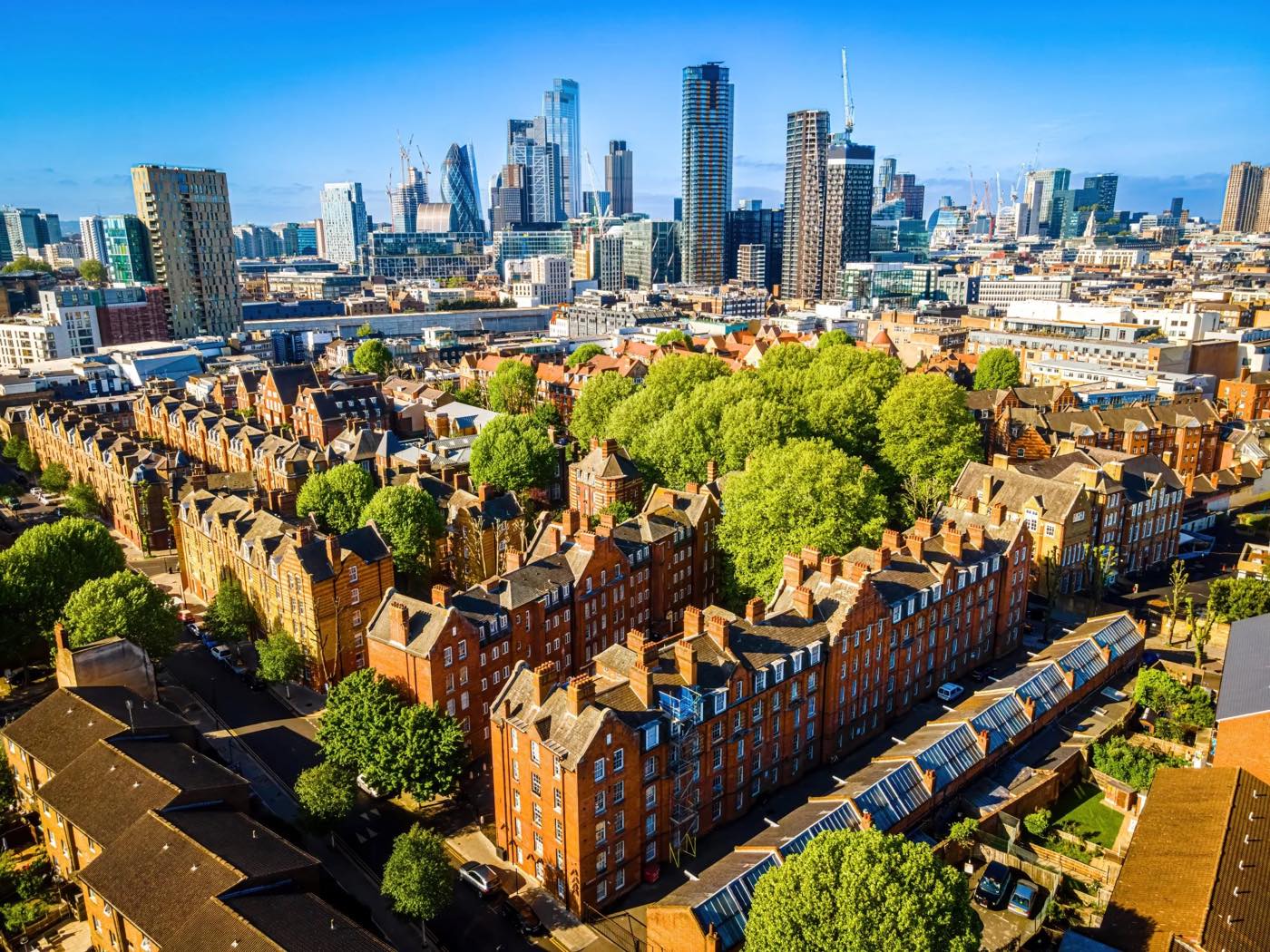
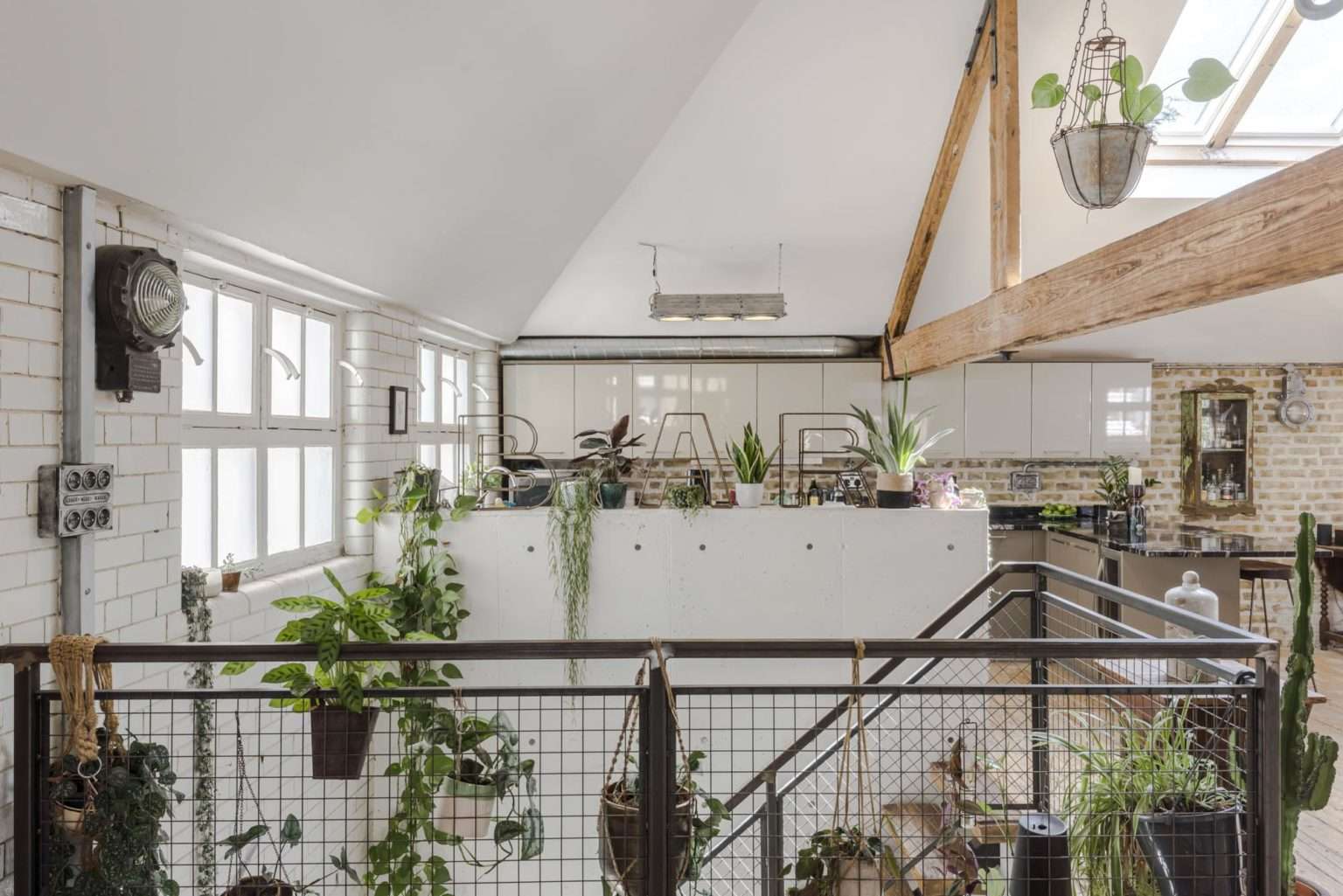
Hackney covers a lot of ground — literally and in reputation. "Renting in Hackney" can mean a warehouse conversion near London Fields or a quiet Victorian terrace near Clapton, and the two have very different rents and character. Here's how to think about it.
| Hackney at a glance | |
|---|---|
| Typical 1-bed rent | £1,400–£2,100 a month |
| Typical 2-bed rent | £2,000–£2,700 a month |
| Travel zone | 2 |
| Main lines | London Overground |
| Best for | East London character without the tube |
What the area is like
Hackney is one of London's most diverse and creatively dense boroughs, built around a string of distinct pockets rather than one single centre: London Fields and Broadway Market (café culture, a genuinely excellent street market, and the park itself), Dalston (nightlife and live music), Victoria Park's edges (leafier, more family-oriented), and Clapton (quieter, better value, still improving in transport terms). Which of these you land in changes the experience more than the borough name suggests.
Rents and property types
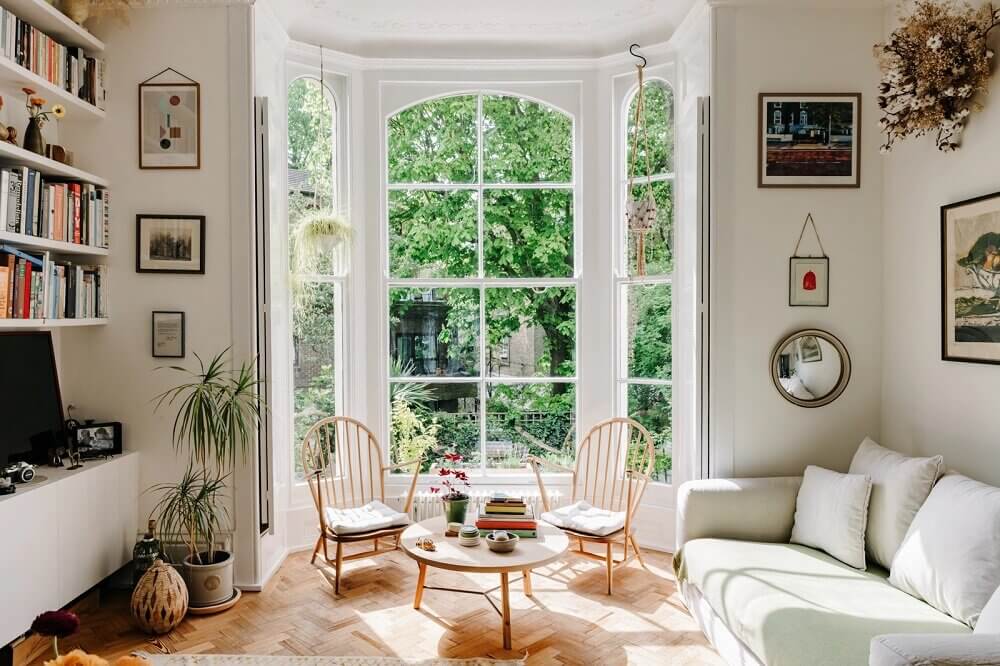
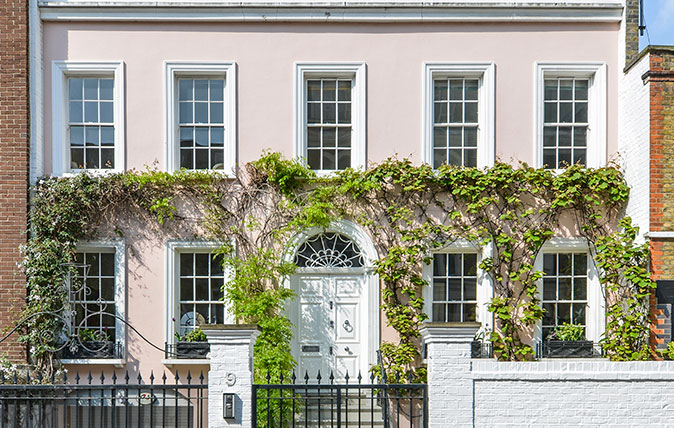
Expect mostly Victorian and Edwardian terraces converted into flats, plus a growing number of new-build developments near Hackney Wick and the Olympic Park edge. Rents vary meaningfully by pocket: a one-bed near London Fields or Dalston often runs £1,700–£2,100 a month, while equivalent flats in Clapton or further from Overground stations can be £1,400–£1,700. Two-beds typically span £2,000–£2,700.
Transport and commute
Hackney is Overground country — Hackney Central, Hackney Downs, London Fields, Dalston Junction and Dalston Kingsland between them cover most of the borough, connecting to Highbury & Islington, Canada Water, and Stratford without going through central London first. There's no Underground line running through the heart of Hackney itself, which surprises people expecting tube access by default. Given how much the right station varies by pocket, filtering by actual commute time to your workplace is more useful here than assuming "Hackney" means one commute.
Who it suits
Hackney suits people who want a strong local identity and don't need to be right in central London — it's popular with creatives, young professionals commuting to Shoreditch or the City, and increasingly families drawn to the parks and (still relatively) larger period conversions. It's less ideal if a fast direct tube commute into the West End is non-negotiable, since most of the borough relies on the Overground or a bus connection to reach one.
Searching tips specific to Hackney
Because Hackney spans such a wide area, postcode matters more here than almost anywhere else in London — E5, E8, E9 and N16 all fall within it and cover quite different commutes and price points. See our guide on how to search by postcode rather than relying on "Hackney" as a search term alone. It's also one of the areas most affected by cross-listing, where the same flat appears on multiple sites — our guide on why you keep seeing the same flat twice explains why.
HomeScout lets you set a specific postcode district and commute time together, which matters more in Hackney than in almost any other London borough given how much the experience changes street to street.
FAQ
Does Hackney have tube stations?
Not directly through the borough's core — Hackney relies mainly on the London Overground, with Underground access available at the edges (Highbury & Islington to the west, for example).
Which part of Hackney is best for nightlife?
Dalston and London Fields have the highest concentration of bars and live venues; Clapton and the areas near Victoria Park are noticeably quieter.
Is Hackney getting more expensive?
Yes, rents have risen steadily as the area has gentrified, though pockets further from Overground stations (parts of Clapton, for example) still offer relative value compared with London Fields or Dalston.
What's a typical rent in Hackney?
A one-bed typically runs £1,700–£2,200 a month depending on proximity to Overground stations and how gentrified the immediate area is, with Dalston and London Fields toward the top of that range and parts of Clapton more affordable.