Renting a Flat in Wimbledon: What It's Actually Like
Rents, transport, and who Wimbledon suits — a practical guide to renting a flat in one of South London's most established suburbs.
Wimbledon is best known for the tennis, but for renters it's really a well-connected, leafy South London suburb with a distinctly more spacious, family-oriented feel than most areas this close to zone 2. Here's what to know before renting here.
| Wimbledon at a glance | |
|---|---|
| Typical 1-bed rent | £1,600–£2,000 a month |
| Typical 2-bed rent | £2,100–£2,800 a month |
| Travel zone | 3 |
| Main lines | District, South Western Railway, Tramlink |
| Best for | Families wanting space and green surroundings |
What the area is like
Wimbledon splits fairly cleanly into two characters: Wimbledon Village, up the hill, with period houses, independent shops and a quieter, more affluent feel; and Wimbledon town centre, around the station, with newer developments, chain shopping and better transport access. Both share genuine green space nearby — Wimbledon Common is one of London's largest.
Rents and property types
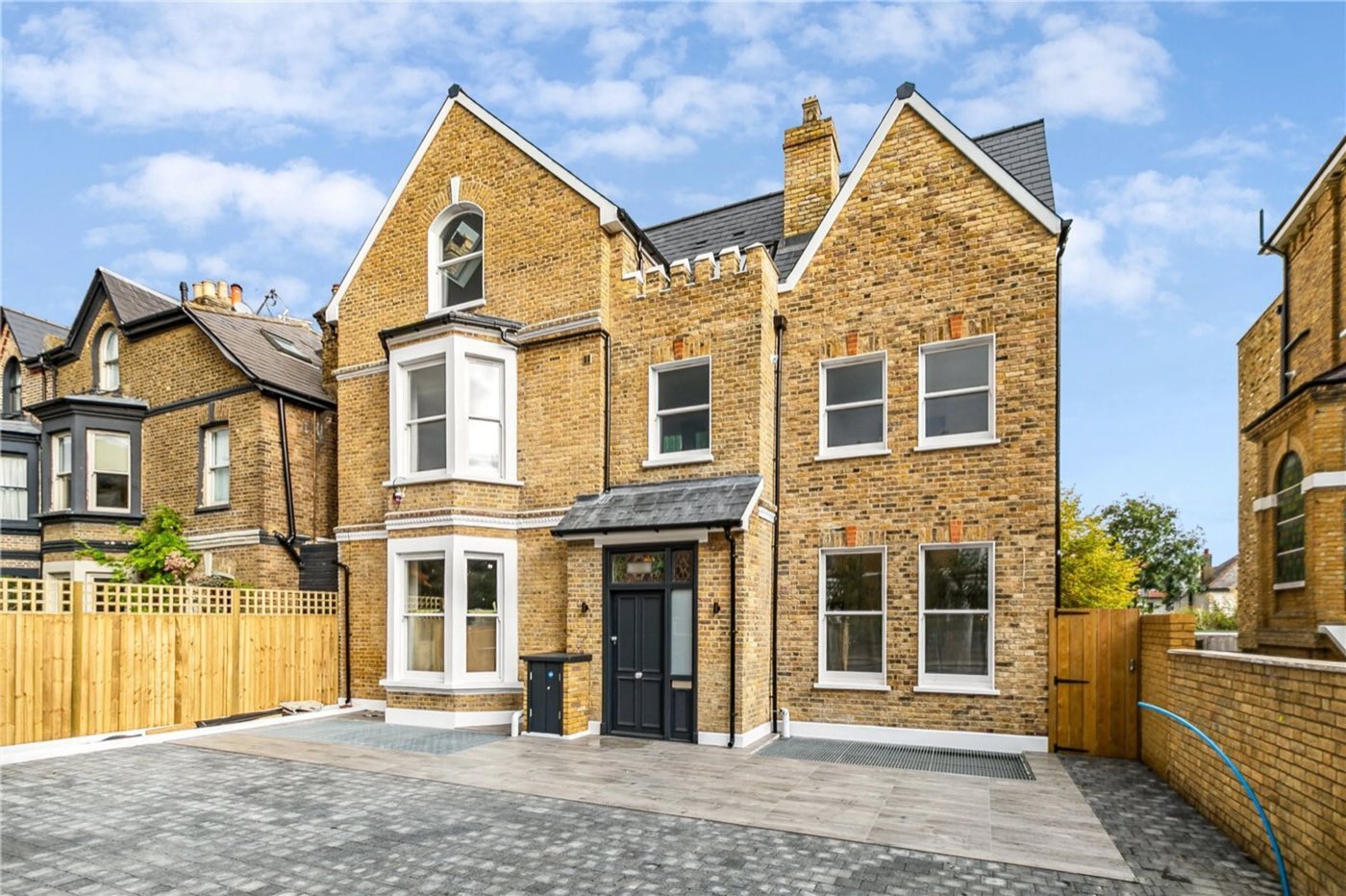
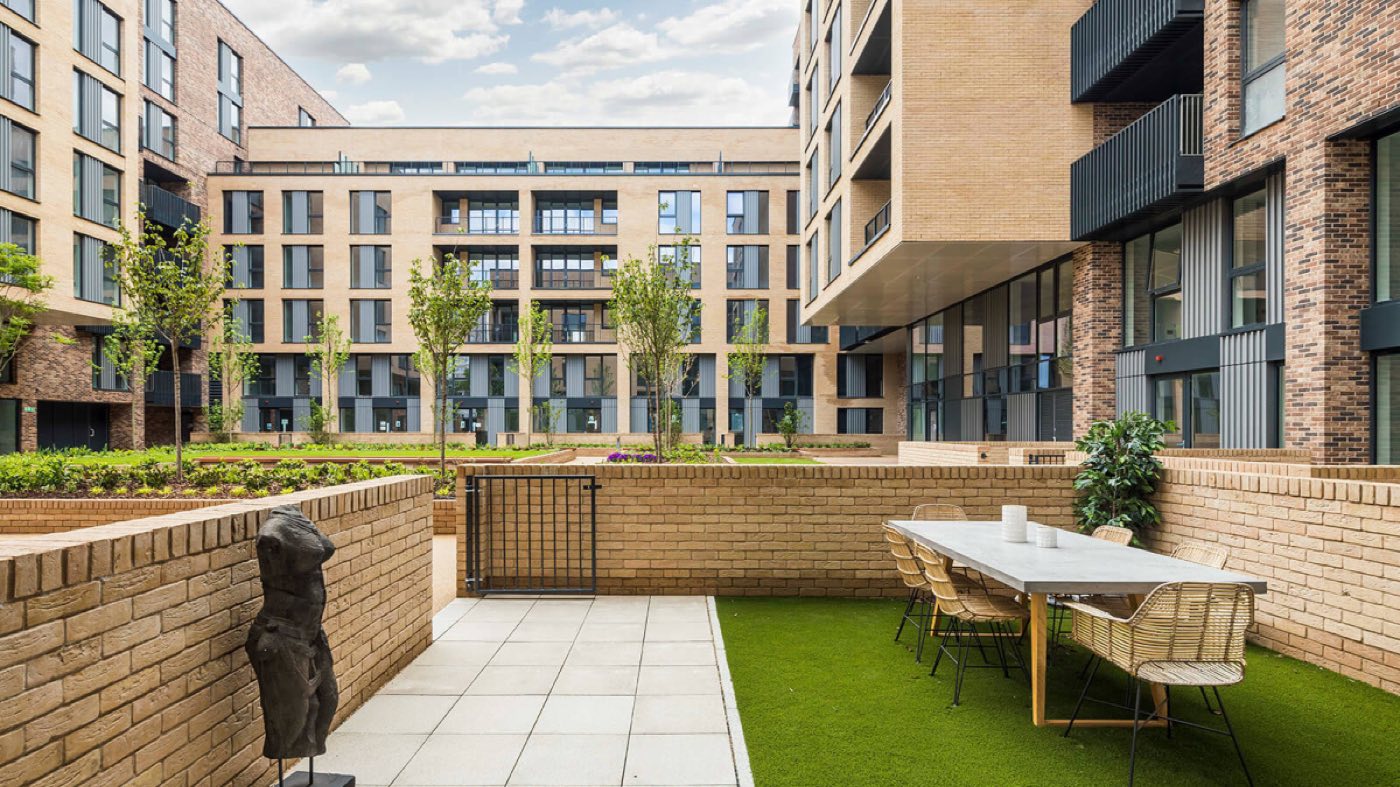
Stock ranges from Victorian conversion flats to newer purpose-built developments around the town centre. A one-bed typically runs £1,600–£2,000 a month; two-beds commonly £2,100–£2,800, with Wimbledon Village commanding a noticeable premium over the town centre for comparable size.
Transport and commute
Wimbledon station is unusually well served: the District line, South Western Railway mainline services (fast trains to Waterloo in around 20 minutes), and the Tramlink all meet here. That combination makes it one of the faster South London commutes into central London despite feeling suburban. As with any area covered by multiple transport modes, it's worth filtering by actual commute time to your specific office, since a District line journey and a mainline journey to the same rough destination can differ by 15 minutes or more.
Who it suits
Wimbledon suits people who want noticeably more space and green surroundings than inner London offers, without giving up a genuinely fast commute — particularly families and those who've outgrown a flatshare. It's less suited to anyone prioritising nightlife or a dense, walkable food scene on their doorstep, both of which are more limited here than in zone 2 areas.
Searching tips specific to Wimbledon
"Wimbledon" on a listing can mean the Village, the town centre, or the wider SW19 postcode stretching well beyond either — three quite different price points and commute times. Searching by postcode alongside a commute-time filter separates genuinely well-located flats from those simply borrowing the name's cachet.
HomeScout covers new SW19 listings as they go live, so you can filter specifically for the pocket of Wimbledon that actually matters to you.
FAQ
Is Wimbledon in Zone 2 or Zone 3?
The station and surrounding area sit in Zone 3, though fast mainline services mean the effective commute time is often closer to what you'd expect from Zone 2.
Is Wimbledon expensive?
It's mid-to-upper range for South London — pricier than Tooting or Balham for comparable space, generally cheaper than Clapham or Battersea.
Is Wimbledon good for families?
Yes, it's one of the more family-oriented areas on this list — good schools, Wimbledon Common, and larger flat and house stock than most inner-London alternatives.
Is Wimbledon a good place to live?
Yes, particularly if you want space, green surroundings and a fast commute without inner-London prices — it suits people past the flatshare stage more than those wanting nightlife on their doorstep.